For Shopify merchants, an email list isn’t just another line on a marketing spreadsheet; it’s the bedrock of a resilient business. It’s your direct, private line to the people who actually want to hear from you—no fickle social media algorithms standing in the way. This isn’t just about sending newsletters; it’s about building an owned asset that generates predictable revenue and fosters real customer loyalty.
Why Your Email List Is Your Most Valuable Asset
Think of it this way: relying solely on social media is like renting a storefront in someone else’s mall. They can change the rent, move your store, or even shut down the whole place without warning. Your email list? That’s the land you own. It’s a stable, reliable channel that you control completely.
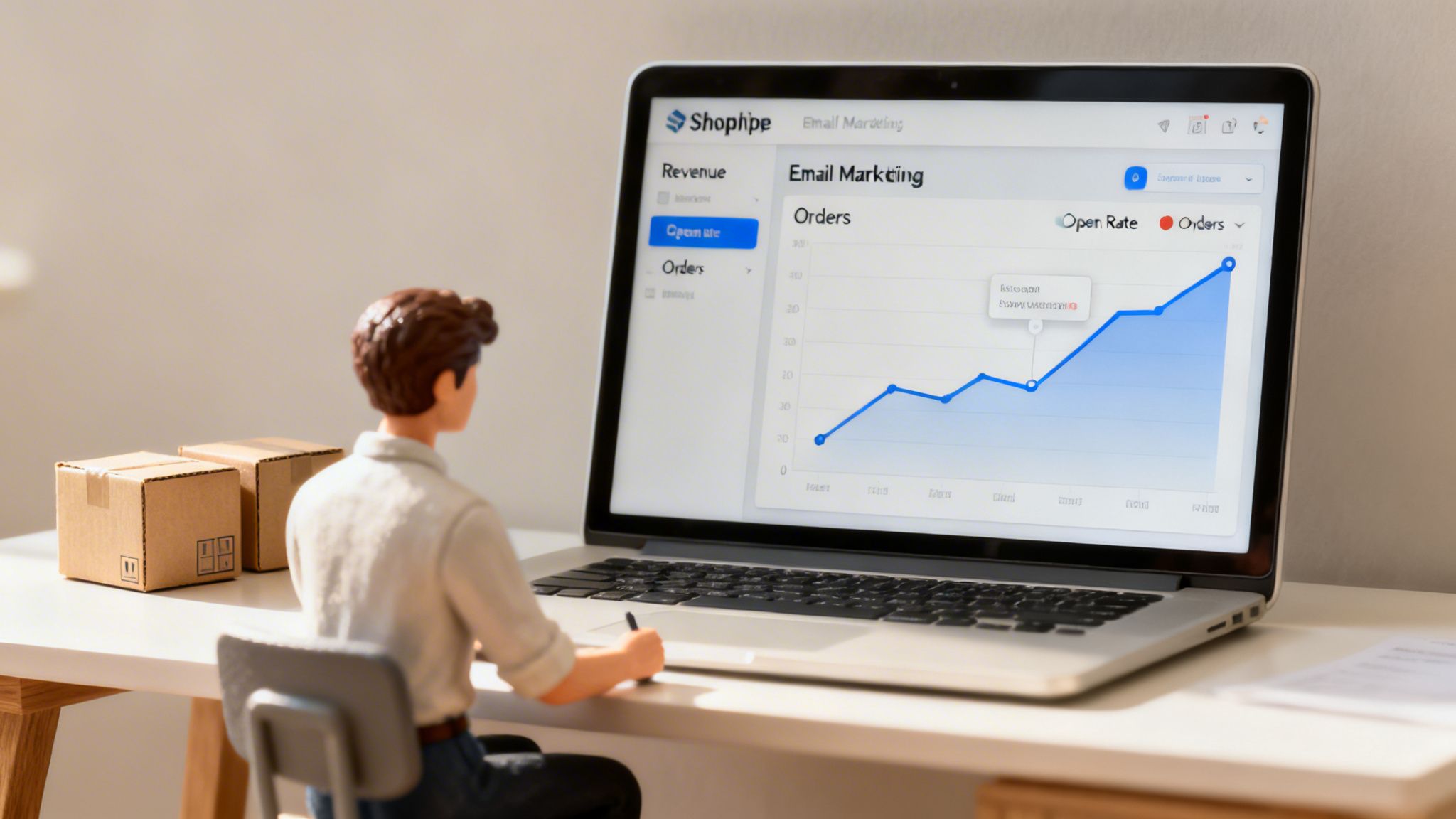
This direct line isn’t just for peace of mind—it’s incredibly profitable. The numbers don’t lie. Email marketing consistently delivers a staggering average return of **36 for every **1 spent. Some deep dives into email marketing ROI statistics show that figure can climb even higher, consistently outperforming other channels. Every single subscriber you add is a direct investment in your future revenue.
The True Power of an Owned Audience
When you own your audience, you call the shots. Need to move last season’s inventory to make room for new arrivals? A quick, targeted campaign to a specific segment of your list can clear those shelves in a single weekend. About to drop a new collection? Your email subscribers should be the very first to know, rewarding their loyalty with early access and building that crucial initial sales buzz.
This is how you turn a one-time buyer into a lifelong fan. With your list, you can:
- Tell your story: Go beyond the products. Share the passion, the mission, and the people behind your brand to forge a genuine connection.
- Get priceless feedback: Send out a quick survey or ask for reviews. You’ll not only improve your products but also make your customers feel valued and heard.
- Create a VIP club: Offer exclusive discounts, early bird access, or members-only content. Make your subscribers feel like true insiders.
At the end of the day, building your email list is a long-term investment in a predictable growth engine for your store. It’s the difference between renting an audience from social media giants and owning a direct path to your most engaged customers—giving your Shopify business a competitive advantage that can’t be bought.
Designing Incentives People Actually Want
Let’s be honest, the classic “10% off your first order” popup is everywhere. It’s the background noise of online shopping. And while it might still snag a few signups, it’s not exactly a magnet for your best customers. To build an email list that actually drives sales, your offer needs to feel less like a generic coupon and more like an exclusive, irresistible handshake.
The whole point is to create something that aligns so perfectly with your brand that signing up feels like the most natural thing in the world for your ideal customer. This is how you attract people who are genuinely fired up about what you sell, not just hunting for a quick bargain.
Moving Beyond Basic Discounts
To get this right, you have to get inside your customer’s head. Why do people hand over their email address? They’re looking for real value, a feeling of being an insider, or a smart solution to a problem they have. A simple discount only checks one of those boxes, and only for a fleeting moment.
It’s time to get more creative. Think about these more powerful hooks:
- Early Access: This is a classic for a reason. Offer subscribers the very first crack at new collections or limited-run products. The scarcity and feeling of being in-the-know is a huge motivator. They feel like true VIPs.
- Exclusive Content: Give them something valuable they can’t get anywhere else. If you’re a fashion brand, maybe it’s a “Behind-the-Scenes Lookbook” of your next collection. For a home decor store, a detailed styling guide is perfect.
- Curated Giveaways: Ditch the generic gift card. Instead, put together a prize package of your absolute best-selling products. This automatically filters for people who are actually interested in what you sell, making for a much higher quality list.
A Framework for Brainstorming High-Impact Ideas
You don’t need a massive budget to come up with the perfect incentive—just a sharp understanding of what makes your customers tick. When you’re brainstorming, think about offering both immediate perks and long-term benefits, like digital loyalty programs like stamp cards, which keep people engaged and coming back for more. This mix of instant gratification and future rewards is a powerful one-two punch.
Here’s a look at some of the most effective lead magnets I’ve seen work for Shopify stores, broken down by what they do best.
High-Impact Lead Magnet Ideas for Shopify Stores
| Lead Magnet Type | Best For Attracting | Implementation Effort | Example Scenario |
|---|---|---|---|
| Gated Content (Guides/Ebooks) | Customers looking for expertise and real solutions in your niche. | Medium | A Shopify store selling high-end coffee beans offers a free “Art of the Perfect Pour-Over” guide. |
| Early Access to Sales/Launches | Your biggest fans and trend-focused shoppers who need to be first. | Low | A streetwear brand gives email subscribers a 24-hour head start on a limited-edition sneaker drop. |
| Exclusive Product Giveaways | Shoppers who already love your products and are motivated by a high-value prize. | Medium | A clean beauty brand hosts a giveaway for a “Complete Skincare Routine” bundle valued at $250. |
| Interactive Quizzes | Shoppers who need personalized recommendations and enjoy engaging with a brand. | High | A subscription box company uses a “Find Your Perfect Box” quiz to capture emails and segment them by interest. |
Thinking this way completely changes the game. Your email signup form is no longer just a transaction; it’s the start of a real relationship. When you lead with genuine value that reflects who you are as a brand, you stop just collecting addresses. You start building a community of fans who are actually excited to see you in their inbox and, most importantly, ready to buy. That’s the foundation of a healthy, profitable email list.
Capturing Emails at Every Customer Touchpoint
If your only tool for building an email list is a single website popup, you’re leaving a ton of subscribers on the table. It’s like trying to catch fish with one tiny net in a massive ocean. To really move the needle, you need to think about every single place a customer might cross paths with your brand and turn those moments into signup opportunities.
A truly effective list-building strategy weaves itself into the entire customer journey. It’s about being ready to capture an email not just on your homepage, but from the checkout page all the way to the unboxing experience at home. When you diversify your capture points, you build a much stronger, more resilient system for growth.
Go Beyond the Standard Website Popup
Popups have their place, sure. But their success hinges entirely on perfect timing and a can’t-miss offer. The real, sustainable growth comes from embedding signup opportunities so naturally into the shopping experience that they feel like part of the flow.
Here’s where to focus:
- The Shopify Checkout: This is your prime real estate. The customer is already invested, details in hand, ready to buy. Adding a simple opt-in checkbox for marketing emails right here is a non-negotiable. Shopify data shows this is a massive driver for list growth simply because the barrier to entry is almost zero.
- Footer and Header Forms: Don’t sleep on the humble footer or header signup form. It’s a persistent, no-pressure invitation that’s always there. It’s perfect for catching visitors who instinctively close popups but are still curious about your brand.
- Blog and Content Pages: Someone reading your blog is already engaged and sees you as an expert. This is the perfect time to make a relevant offer. For example, a blog post on a 10-step skincare routine could have a signup form for a “Free Morning Skincare Checklist.” The process for creating these kinds of compelling offers is actually quite straightforward. You just need to brainstorm what your customer really wants, design the offer, and launch it.
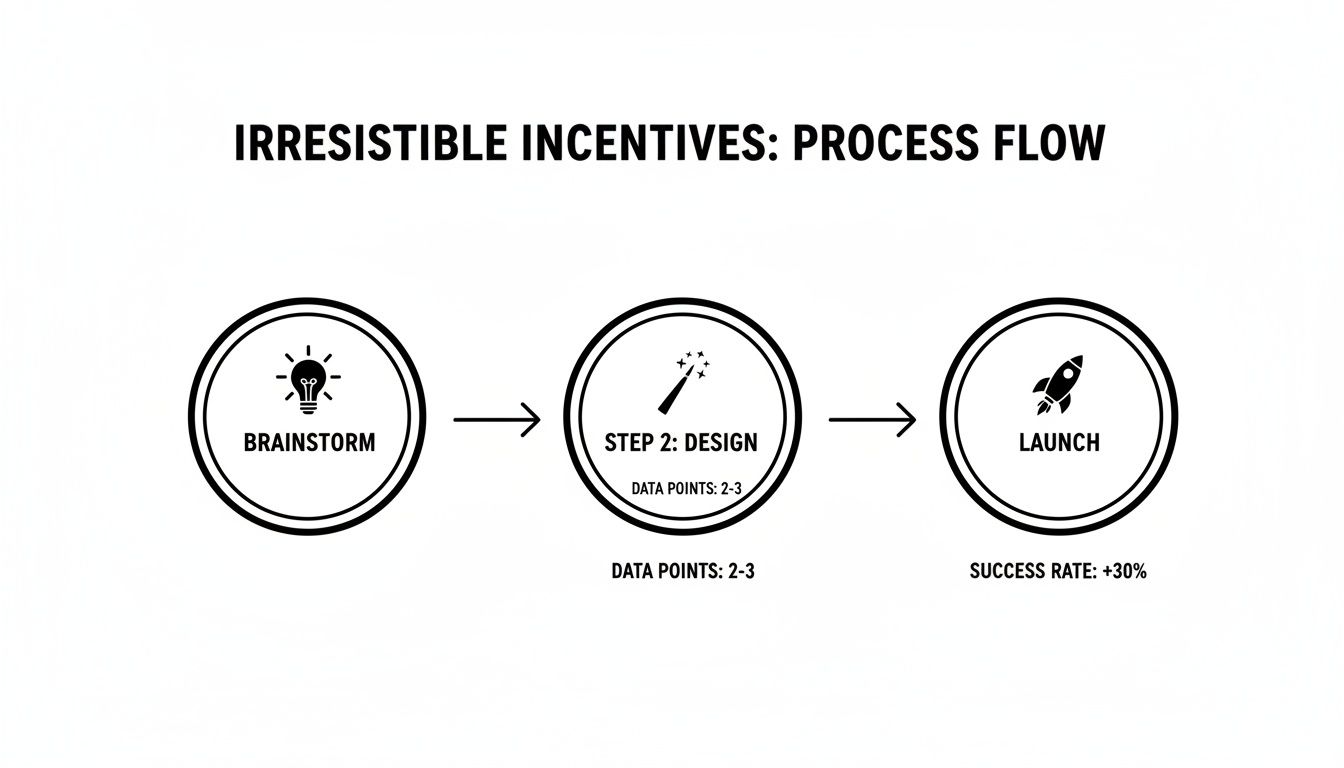
As you can see, it all starts with understanding your customer. Get that right, and the rest falls into place.
Bridge the Gap Between Digital and Physical Worlds
Your list-building shouldn’t be confined to your website. Some of the most creative and impactful strategies connect your online presence with your physical products and real-world interactions. This is where QR codes become your secret weapon.
Think about it. A customer is browsing your booth at a local market. They’re interested, but maybe not ready to buy on the spot. A small, scannable QR code on your display can take them to a signup page offering an exclusive “Market Attendee Discount” on their first online order. Boom. You’ve just turned a fleeting moment into a lasting digital connection.
Leverage Your Social Media Presence
Your social media followers are already a warm audience—they’ve actively chosen to see your content. The goal is to give them a compelling reason to jump from follower to subscriber. This is how you start owning your audience instead of just renting it from the social platforms. You can find a deeper dive on this in our guide to email opt-in marketing.
Here are a few proven tactics:
- Optimize Your “Link in Bio”: Use a tool to create a clean landing page for your bio link and make the email signup the very first, can’t-miss call-to-action. Frame it with a juicy incentive, like “Join our VIP list for secret sales & early access.”
- Run a Social Media Giveaway: Host a giveaway where signing up for your email list is a required entry method. This can trigger a huge, rapid influx of new subscribers who are excited about your products.
- Use Interactive Story Features: On platforms like Instagram, engage your followers with “Poll” or “Quiz” stickers, then follow up with a direct call to subscribe. For instance, after a poll asking, “Which new scent are you most excited for?” you can add a link that says, “Sign up to be the first to know when it drops!” By activating these different touchpoints, you create a complete, robust system for growing your email list. Each channel supports the others, ensuring that no matter how a customer finds you, there’s always a clear and compelling path to join your inner circle.
Crafting a Welcome Series That Builds Loyalty
Getting a new subscriber to hand over their email isn’t the finish line—it’s the starting pistol. The real work in building a list that actually drives revenue begins the moment they hit “subscribe.” This is your one shot to make a killer first impression, and a well-thought-out automated welcome series is the best tool for the job.
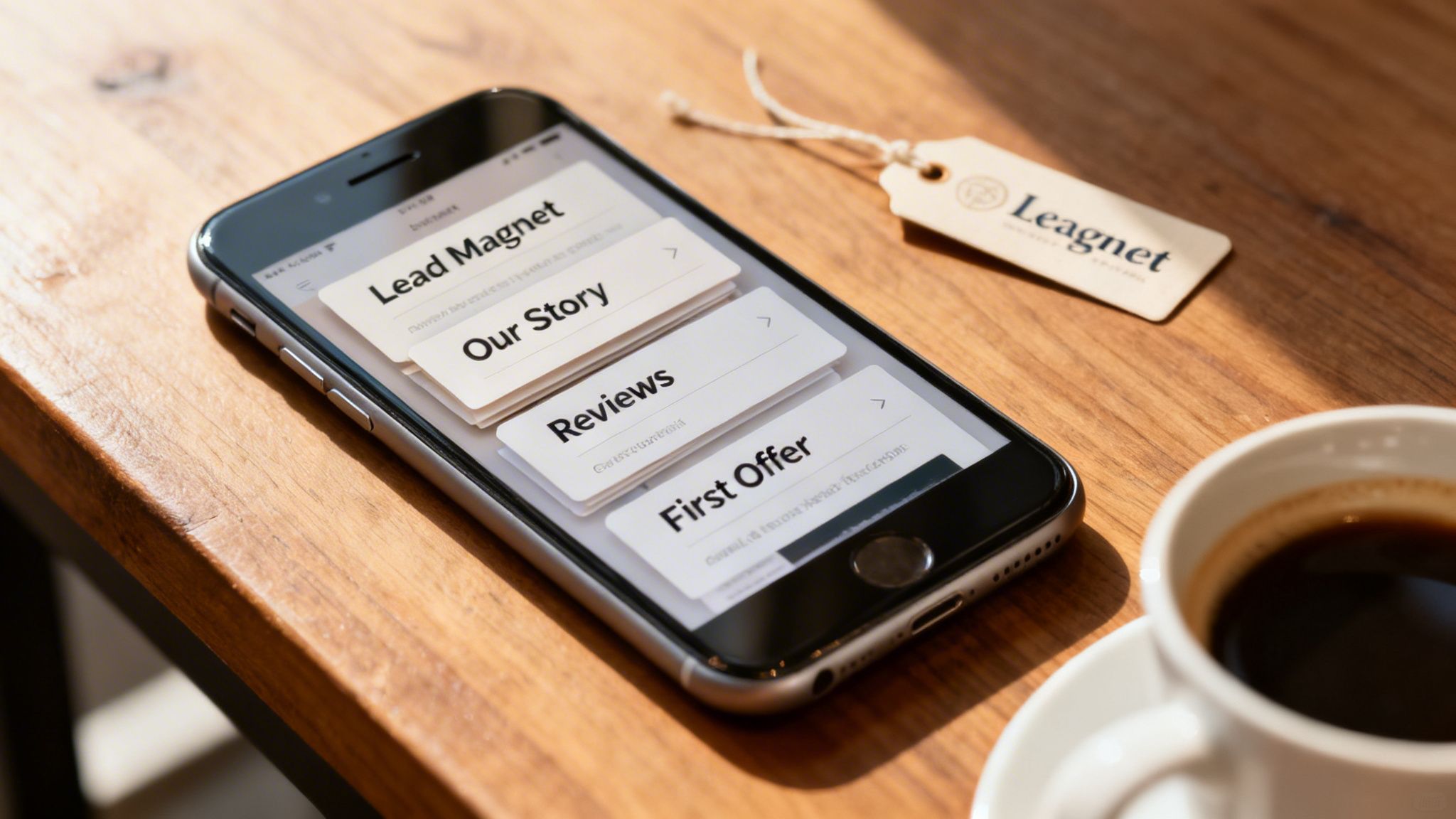
This initial sequence isn’t just about shooting over a discount code. It’s about taking a stranger who showed a flicker of interest and turning them into an engaged, loyal fan. It’s no joke—welcome emails generate up to 320% more revenue per email than other promotional messages. That makes this automation one of the most profitable things you’ll ever set up.
The Anatomy of a High-Converting Welcome Flow
A great welcome series isn’t a single email; it’s a journey. Think of it as a conversation that unfolds over a few days, guiding a new subscriber from basic curiosity to a genuine connection with your brand. Each email has a specific job to do, building on the last to create some real momentum.
Here’s a proven four-part sequence every Shopify merchant should have running in the background:
- Email 1: The Instant Payoff. This one needs to fire off the second they sign up. No delays. Its main purpose is to deliver whatever you promised them—the discount code, free guide, or early access. Make the offer big, bold, and ridiculously easy to use.
- Email 2: The Brand Story. Sent a day later, this is where you pull back the curtain and show them the heart behind your brand. Share your founder’s story, your mission, or what makes your products different from everything else out there. This is how you build an emotional connection that goes beyond a simple transaction.
- Email 3: The Social Proof. Okay, so they know your story. Now it’s time to show them that other people love it, too. Pack this email with your best customer reviews, glowing testimonials, or user-generated content from social media. It validates their decision to subscribe and builds a ton of trust.
- Email 4: The Gentle Nudge. You’ve delivered value, told your story, and built trust. The final email in this core sequence is a gentle reminder of that initial offer (if they haven’t used it yet) and a soft push toward making their first purchase. Highlighting a bestseller or a curated collection makes it easy for them to find something they’ll love.
Making Your First Impression Stick
To really get the most out of your welcome automation, you have to think beyond the basic structure. The small details are what separate a forgettable sequence from one that creates a customer for life. The goal is to set a warm, inviting tone that feels like your brand from the very first hello.
Here are a few pro tips to get it right:
- Personalize Your Subject Lines: Even simple personalization, like using their first name, can give your open rates a nice lift. Try something like, “Welcome, [Name]! Your 15% off is inside.”
- Set Clear Expectations: In that first email, tell them what’s coming next. Let them know how often you’ll be in touch and what kind of value you’ll be sending their way. This transparency builds trust right out of the gate.
- Show, Don’t Just Tell: Use high-quality images, GIFs, or even short videos to bring your brand to life. Telling your brand story? Add a photo of the founder. Showcasing social proof? Embed a few Instagram posts from happy customers. This initial automation truly sets the stage for all future communication. If you want to dive deeper into the mechanics of these sequences, our guide on what is a drip email campaign is a great next step. By mastering your welcome series, you ensure every new subscriber feels seen, valued, and genuinely excited to be part of your world.
Measuring What Matters for Sustainable Growth
https://www.youtube.com/embed/AJGtpQ6h9FA
It’s easy to get caught up in the thrill of watching your subscriber count climb. But a massive list is just a vanity metric if those subscribers never open your emails or, more importantly, never buy anything.
Real, sustainable growth isn’t about having the biggest list. It’s about building the best list. To do that, you need to shift your focus from how many subscribers you have to how good they are. A smaller, highly engaged list will always run circles around a huge, indifferent one. The secret is knowing which numbers actually tell you the health and quality of your list.
Key Metrics Beyond Just List Size
For a moment, let’s completely ignore your total subscriber count. Instead, we’re going to dig into the metrics that tell a story—the story of where your best customers come from and what truly gets their attention. This is how you stop guessing and start making strategic moves.
Get laser-focused on these data points:
- Opt-in Rate by Source: Don’t settle for a single, blended opt-in rate. You need to know how each individual capture point is performing. You might find your checkout checkbox converts at a healthy 25%, while your homepage popup is struggling at 1.5%. This instantly tells you where to double down and which offers need a rethink.
- Lead Quality and First-Purchase Rate: How many of your new subscribers actually place an order within their first 30 days? If that number is disappointingly low, it’s a red flag. It could mean your lead magnet is attracting people who just want free stuff, not people who are genuinely interested in your products.
- Subscriber Lifetime Value (LTV): This is the holy grail. LTV tells you the average revenue a single email subscriber brings in over their entire relationship with your brand. Once you know this number, you can justify your marketing spend and set realistic budgets for growing your list with high-quality leads.
Creating a Data-Driven Growth Engine
Once you’re tracking these core metrics, the real fun begins. Now you can use that data to constantly test, tweak, and improve your offers. This is where A/B testing becomes your most powerful tool for optimizing list growth.
A/B testing takes all the guesswork out of the equation. Instead of wondering what might work better, you let your audience tell you directly through their actions. It’s a straightforward process: show two different versions of an offer to two similar groups of people and see which one comes out on top.
A Real-World A/B Testing Scenario
Let’s say you’re currently running a standard “15% Off Your First Order” popup. It’s doing okay, but you have a hunch it could be better.
You decide to test it against a different kind of incentive: “Get a Free Bestselling Lip Balm with Your First Purchase.”
- Set Up Your Test: Using your popup tool, you configure it to show the 15% discount to 50% of your new website visitors and the “Free Gift” offer to the other 50%.
- Let It Run: You give the test a couple of weeks to run, making sure you collect enough data to get a statistically significant result.
- Analyze the Results: When the test is done, you’re not just looking at the opt-in rate. You’re looking at two crucial numbers: the sign-up rate for each offer and the first-purchase conversion rate from the subscribers each offer brought in. The results might surprise you. You could find that while the 15% discount got a slightly higher opt-in rate, the “Free Gift” group had a 30% higher conversion rate to paying customers. That’s a massive win. Armed with that data, you can confidently switch your primary offer to the free gift, knowing it drives more actual sales. This simple, data-first approach is the key to building an email list that directly fuels your bottom line.
Your Top Email List-Building Questions, Answered
As you start building out your email strategy, you’re bound to run into some questions. It’s a world full of so-called “best practices,” ever-changing benchmarks, and a ton of conflicting advice. Let’s cut through the noise and tackle some of the most common hurdles Shopify merchants face.
Getting these fundamentals right is often the difference between a list that just sits there and one that becomes a serious revenue driver for your store.
How Often Should I Actually Email My List?
This is the classic “it depends” question, but we can definitely get more specific. There’s no single magic number because the right frequency really hinges on your industry, your products, and what your specific audience expects.
That said, a solid starting point for most ecommerce brands is somewhere between one to two times per week.
This rhythm keeps your brand top-of-mind in a crowded inbox without feeling spammy. The most important thing is to watch your engagement metrics like a hawk. If your open and click-through rates are looking good and your unsubscribe rate is staying low (ideally under 0.5%), you’ve found a sweet spot. Your audience is telling you they’re happy.
Remember, always prioritize sending something valuable. One fantastic, well-crafted email will always outperform three mediocre ones you sent just to hit a quota.
What’s a Good Opt-In Rate for a Shopify Store?
For a standard website popup, a healthy benchmark to aim for is somewhere between 2% and 5%. If you’re seeing your forms convert below 1%, that’s a red flag—it’s time to seriously rethink your offer, your copy, or the design. On the flip side, a truly killer lead magnet can easily push that rate past 10%.
But don’t get hung up on a single site-wide average. The real magic happens when you start analyzing each capture point on its own.
- Your checkout opt-in box might be crushing it at 25% or even higher.
- A simple form embedded in a blog post could be converting at a steady 1.5%.
- A dedicated landing page you’re driving social media traffic to might hit 8%. This kind of granular data shows you exactly where your biggest opportunities are. It tells you which offers resonate and where you should focus your energy for the biggest wins.
Should I Focus on List Size or List Quality?
Quality. Every single time. It’s not even a contest.
Think about it: a small, hyper-engaged list of 1,000 true fans who actually open your emails and buy your products is infinitely more valuable than a bloated list of 50,000 unengaged contacts who ignore you or mark your emails as spam.
When you focus on quality from day one, you get higher open rates, much better email deliverability (which means you actually land in the inbox), and, of course, more sales. This means attracting the right people with relevant offers and practicing good list hygiene by periodically cleaning out inactive subscribers who haven’t opened an email in months.
Can I Just Buy an Email List to Get Started Faster?
Let me be crystal clear: no. The longer answer is that you should never, ever, under any circumstances, buy an email list.
Those people never gave you permission to email them. Sending them messages is a direct violation of anti-spam laws like CAN-SPAM and GDPR, opening you up to serious legal trouble.
Beyond the legal risks, it’s just a terrible strategy. Purchased lists are notorious for abysmal engagement, sky-high bounce rates, and a flood of spam complaints. This kind of activity immediately tells services like Gmail and Outlook that you’re a spammer, which can get your entire domain permanently blacklisted.
Once your domain’s reputation is toast, it’s incredibly difficult to recover. Even your legitimate, opted-in subscribers will stop seeing your emails. Building your list the right way—organically—is the only path to creating a sustainable, profitable, and legal marketing channel for your Shopify store.
Ready to turn more clicks into customers and get real data on your list growth? Checkout Links helps Shopify merchants create powerful, trackable links and QR codes for every campaign. You can compare offer performance across campaigns, see exactly which sources are performing best, and fine-tune your strategy with data you can trust.
Create your first high-converting checkout link today and see the difference for yourself.